

Containment feeding
Keeping ewes in condition when the paddock can’t.
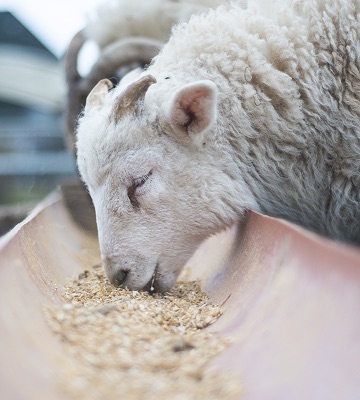
Containment feeding protects your paddocks and your ewes at the same time. You take the pressure off groundcover through a dry autumn or a slow or late break, and the sheep get a controlled ration instead of chasing feed that isn’t there. Done well, ewes hold condition into joining or lambing and the pasture is ready when they go back out.
What’s going on
In containment, everything the sheep eats and drinks comes from you. That’s the advantage: you control the ration. It’s also the risk. A dry grain-and-hay ration has no green feed in it, and any gap in what you supply goes straight to the sheep.
The first two to three weeks carry the most risk. Sheep need time to adjust to grain, to the pen and to the trough. Shy feeders hang back. Bossy sheep overeat. Sudden changes in grain intake can cause acidosis or pulpy kidney.
Water intake rises on a dry ration and in hot weather. If the water is poor, salty or hard to reach, intake drops, and feed intake and condition drop with it.
What to watch for
- Sheep hanging back from the feed trough (shy feeders)
- Scouring, bloated or lame sheep in the first weeks on grain
- Sudden deaths (call your vet, since pulpy kidney and acidosis both strike fast)
- Sheep losing condition despite the ration
- Water troughs running low, fouled or warm
- Dust and crowding around feeders
Nutrition at this stage
A grain-and-hay ration is built to supply energy. It doesn’t automatically supply everything else.
- Energy: usually well covered by grain.
- Protein and amino acids: can run short on cereal-only rations, especially for pregnant ewes and young sheep.
- Calcium and sodium: cereal grains are naturally low in both.
- Trace elements: grain and hay carry whatever the soil they were grown on supplied, so levels vary from load to load.
- Vitamins A and E: low in a ration with no green feed, particularly after a long dry spell.
- Water: intake rises on dry feed and in hot weather.
What happens here carries forward. Sheep contained through a dry autumn often go straight into joining or lambing. Gaps during containment, and the switch back to green feed when they’re released, can both show up later as lighter condition, lower scanning or a weak point in the wool.
Where LivestockIQ fits
Year-round is best. Sheep on a 6-weekly program all year go into containment already topped up. If year-round isn’t possible, containment is a window worth covering, because the sheep rely entirely on what you supply.
In containment, the water trough is the one place every sheep goes every day. Shy feeders might miss the grain trough or a lick, but they still drink. That makes trough dosing a reliable way to get trace elements and amino acids into the whole mob.
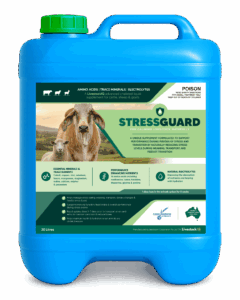
StressGuard on entry
Add it to the water as the sheep go in. It helps support stress and immune function, and an earlier return to feed and water, as they settle into the new routine. It replaces the regular dose. Allow at least 2 weeks since the last LivestockIQ dose.
Pick up the year-round program 6 weeks after StressGuard and dose every 6 weeks while the sheep are contained. The amino acids help support feed conversion on a dry ration.
StressGuard contains selenium. If your flock is normally on StockForce because of a selenium program, follow the StressGuard dose rates and instructions exactly, and don’t dose dehydrated animals.
If your containment ration already includes a mineral premix, call head office on (08) 8725 4668 before adding a trough program, so trace elements aren’t doubled up.
Don’t mix LivestockIQ with urea or other products in the water supply.
FAQ
Why use the water rather than adding minerals to the feed?
Every sheep drinks, including the shy ones that miss the feed trough. One three-day trough application covers the whole pen.
Will it stop acidosis or pulpy kidney?
No. Those come down to vaccination and a slow, steady introduction to grain. LivestockIQ supports the sheep’s nutrition alongside good containment management.
Ready to set up your flock's program?
Your local reseller can help you choose the right product and timing.
Questions? Call (08) 8725 4668 or email [email protected]