Meat, dairy, fibre or rangeland, what your herd needs and when, so it performs this season and the next.
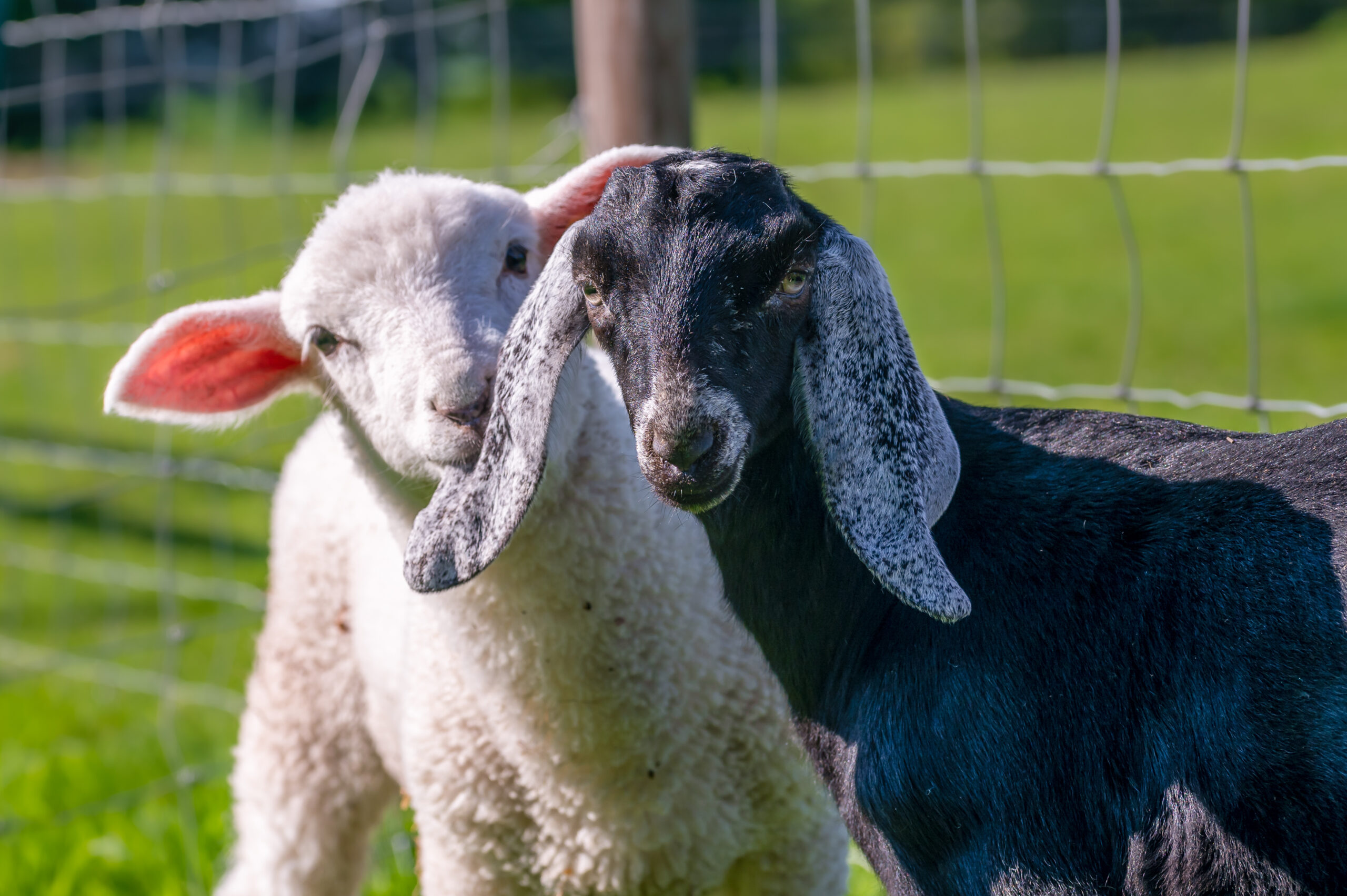
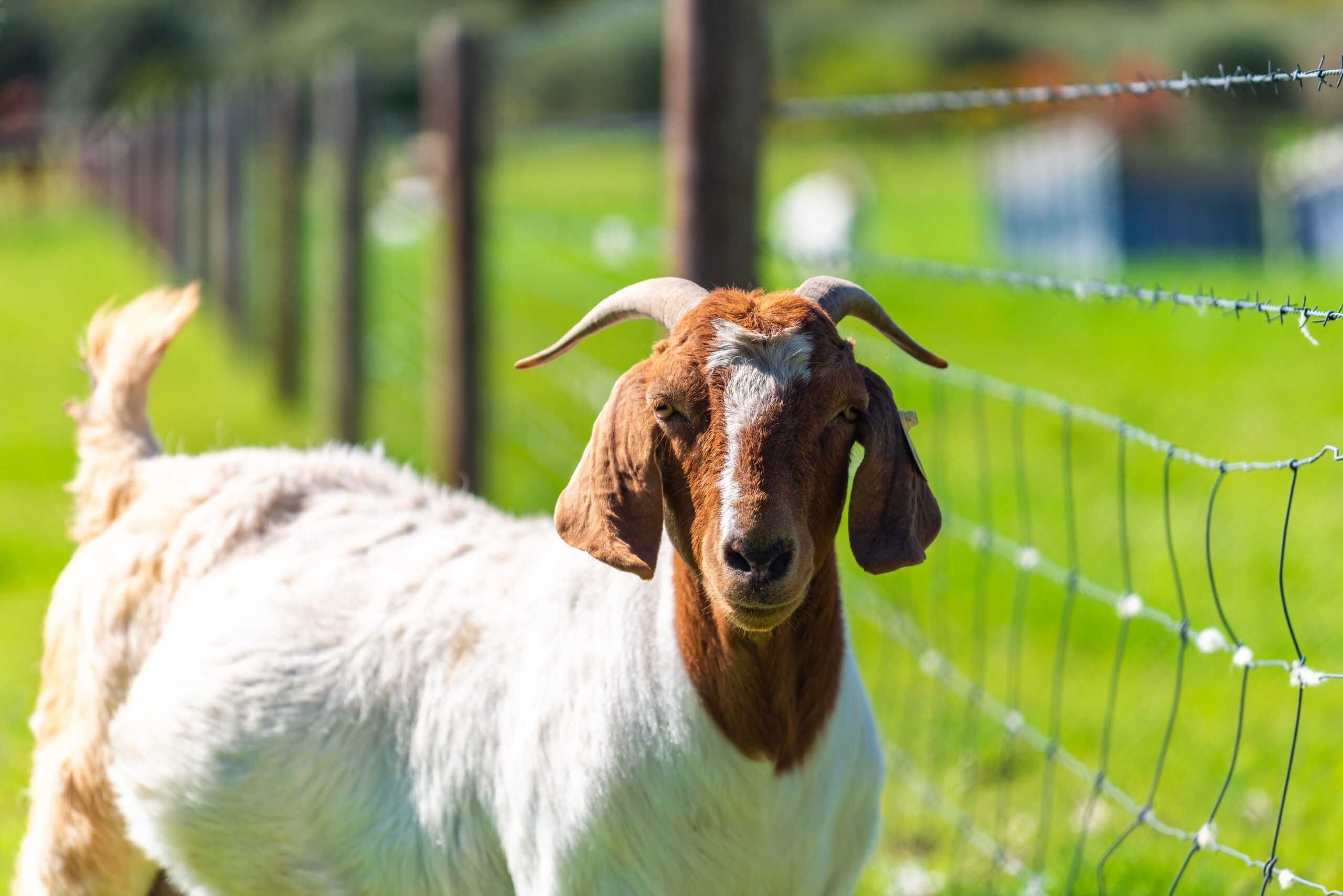
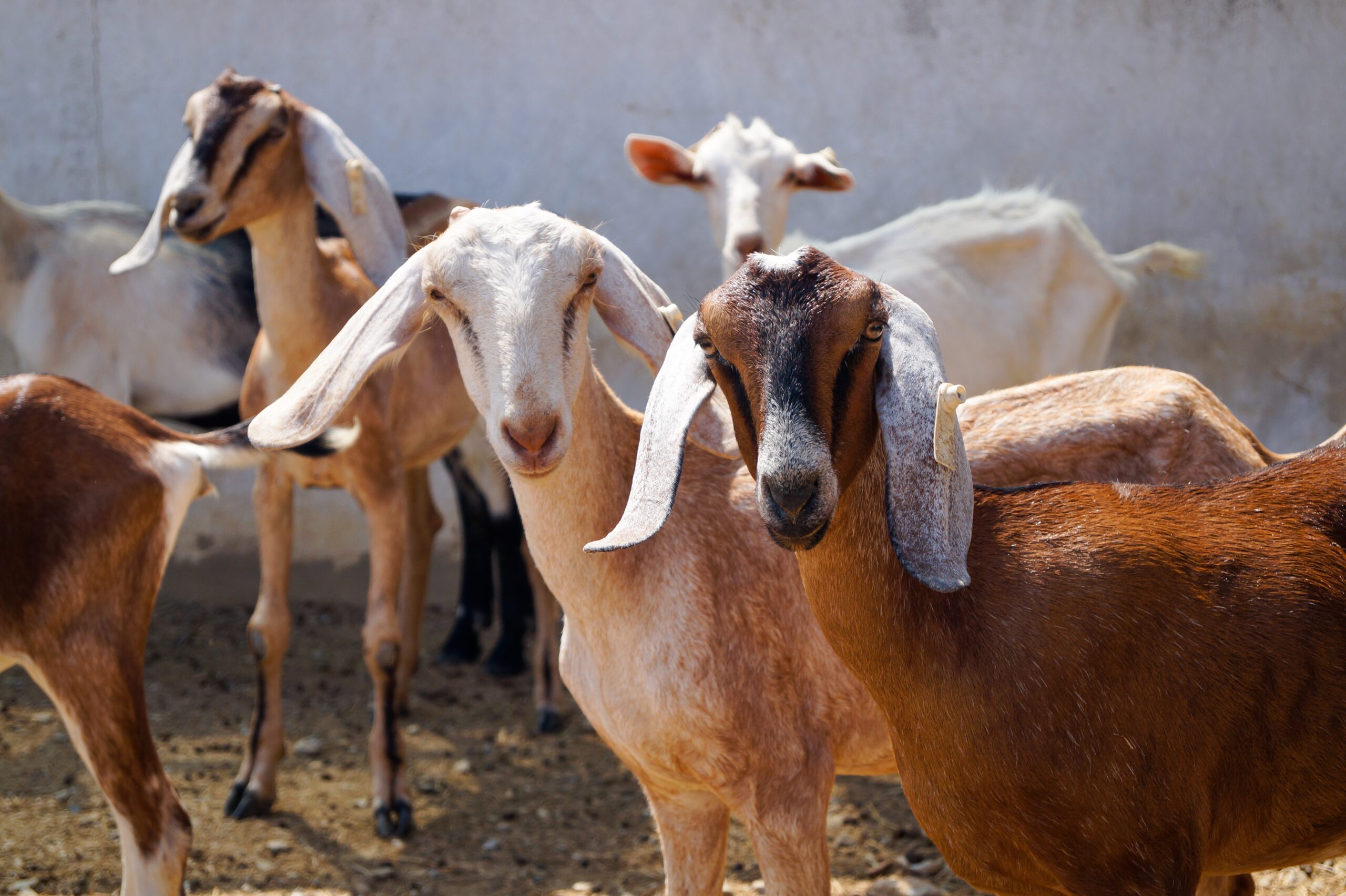
Goats cover four quite different enterprises
01
Rangeland goats
Harvested or managed goats in western NSW, Qld, SA and WA, more than 90% of production (GICA)
What matters most: Capture, depots, transport, low-input management
02
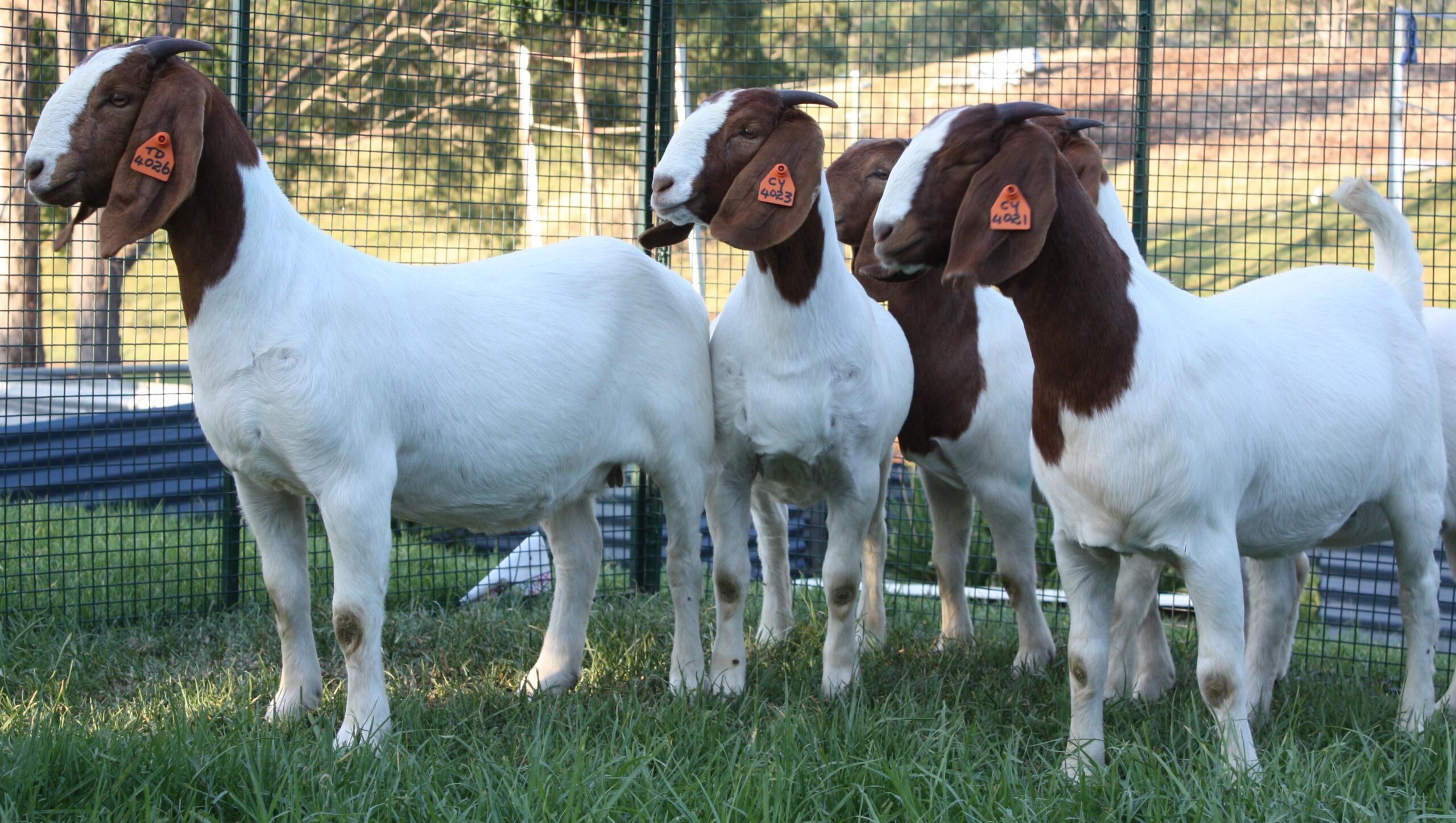
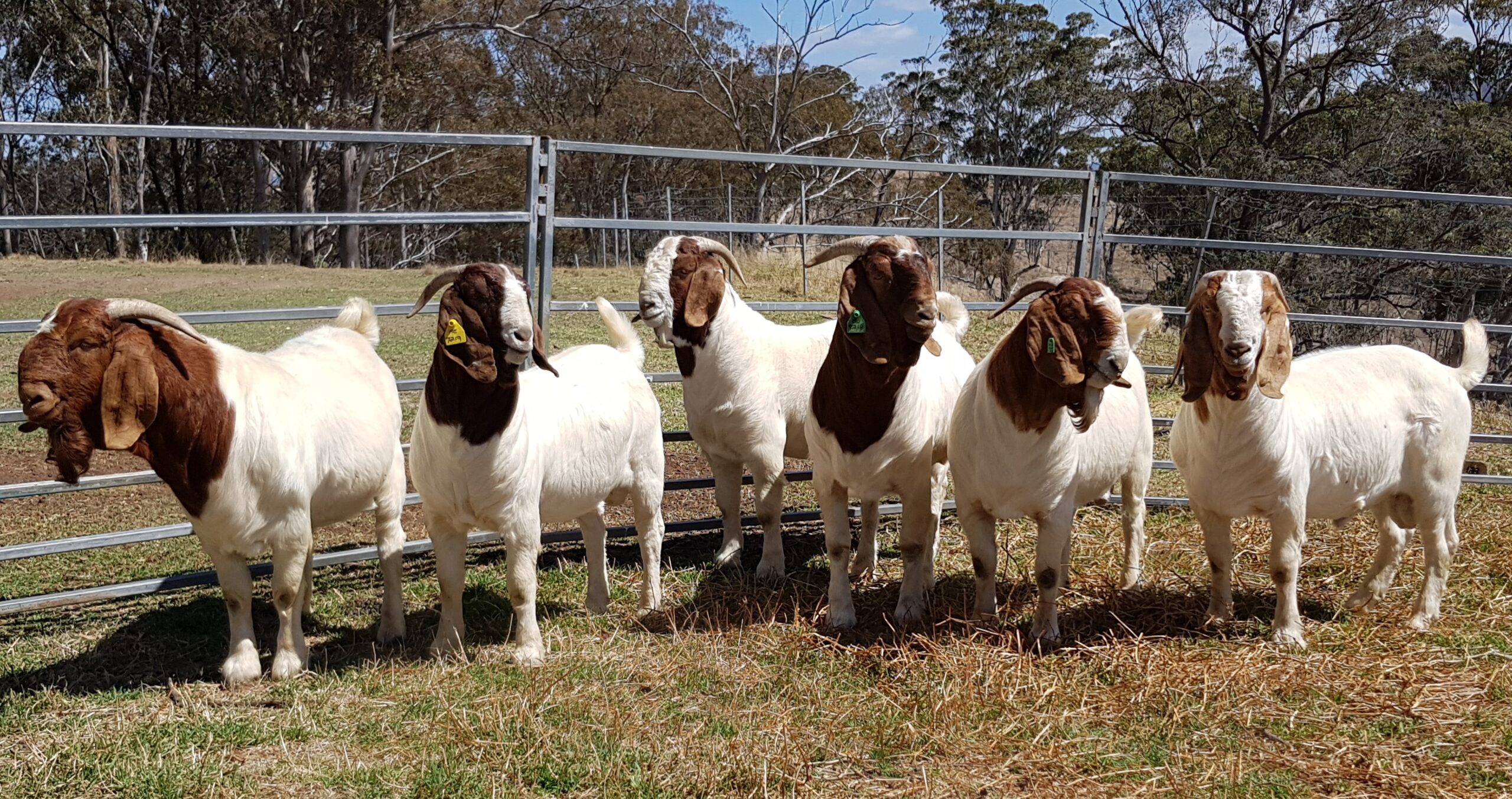
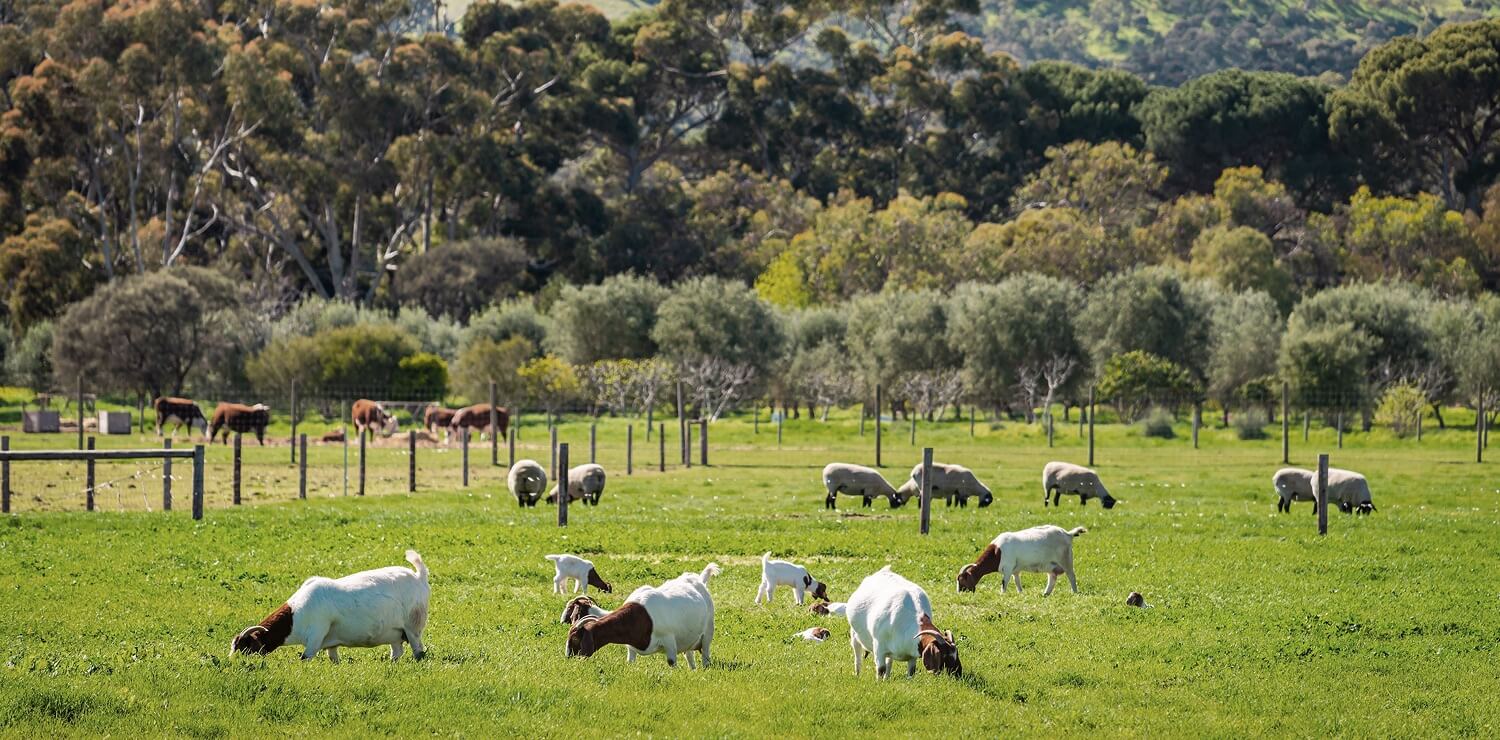
Meat goat breeders
Boer, Kalahari Red and crossbred herds, often on mixed farms
What matters most: Kidding percentage, kid growth, turnoff weights
03
Dairy goats
Saanen and other dairy breeds, milked year-round or seasonally
What matters most: Milk yield, pregnancy toxaemia, doe longevity
04
Fibre goats
Angora (mohair) and cashmere herds
What matters most: Fibre quality, steady nutrition all year
The industry is growing fast. Australian goat slaughter hit a record 4.05 million head in 2025, up 18%, and Australia is the world’s largest goatmeat exporter, with 61% of global export volume (MLA Global Goat Snapshot, May 2026).
Start with the stage you're dealing with now
Each stage explains what to watch for, the nutrition that helps, and where LivestockIQ fits.
Boron is a trace mineral that works behind the scenes. Rather than doing one job on its own, it influences how the body handles other key minerals. That’s why it’s now included in our conventional livestock formulations.
Where boron plays a role
Mineral metabolismBoron interacts with how the body uses calcium, phosphorus, magnesium and vitamin D.
Calcium and phosphorus useTrials in pigs and poultry have linked boron to better calcium and phosphorus retention and stronger bones.1,2
Bone and skeletal developmentBoron is involved in bone formation and mineralisation, alongside calcium, phosphorus and magnesium.2
Antioxidant and immune activityReviews link boron to antioxidant activity and immune response, helping support animals through stress.2
What about cattle and sheep? Research in ruminants is still developing. Studies in dairy cows around calving have looked at boron's effect on energy metabolism and colostrum, with promising early results.3,4 We see boron as a supporting player that rounds out our formulations, working alongside the trace elements and 16 amino acids already in the range.
OrganicMax* and OrganicGuard* remain boron-free to meet organic input requirements.
* This product is allowable for use on farms (or in facilities) certified to the Australian Certified Organic Standard.
1. Spears JW (2019). Boron, chromium, manganese, and nickel in agricultural animal production. Biological Trace Element Research 188: 35-44.
2. Abdelnour SA et al. (2018). The vital roles of boron in animal health and production: a comprehensive review. Journal of Trace Elements in Medicine and Biology 50: 296-304.
3. Basoglu A et al. (2017). Effects of boron supplementation on peripartum dairy cows' health. Biological Trace Element Research 179: 218-225.
4. Celik C, Cetinkaya N (2025). Effects of boron supplementation in dairy cow close-up rations on colostrum quality and certain blood metabolites in calves. Biological Trace Element Research 203: 3075-3087.
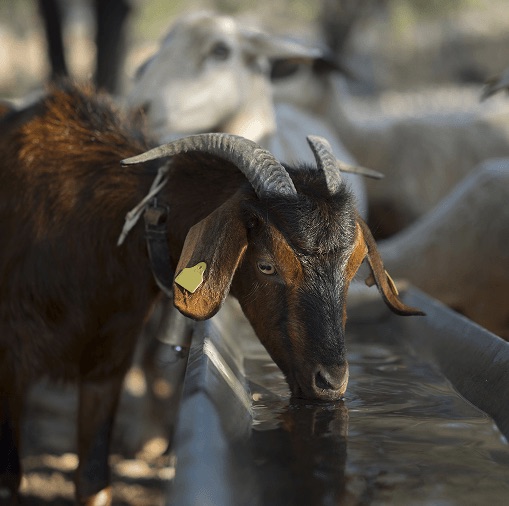
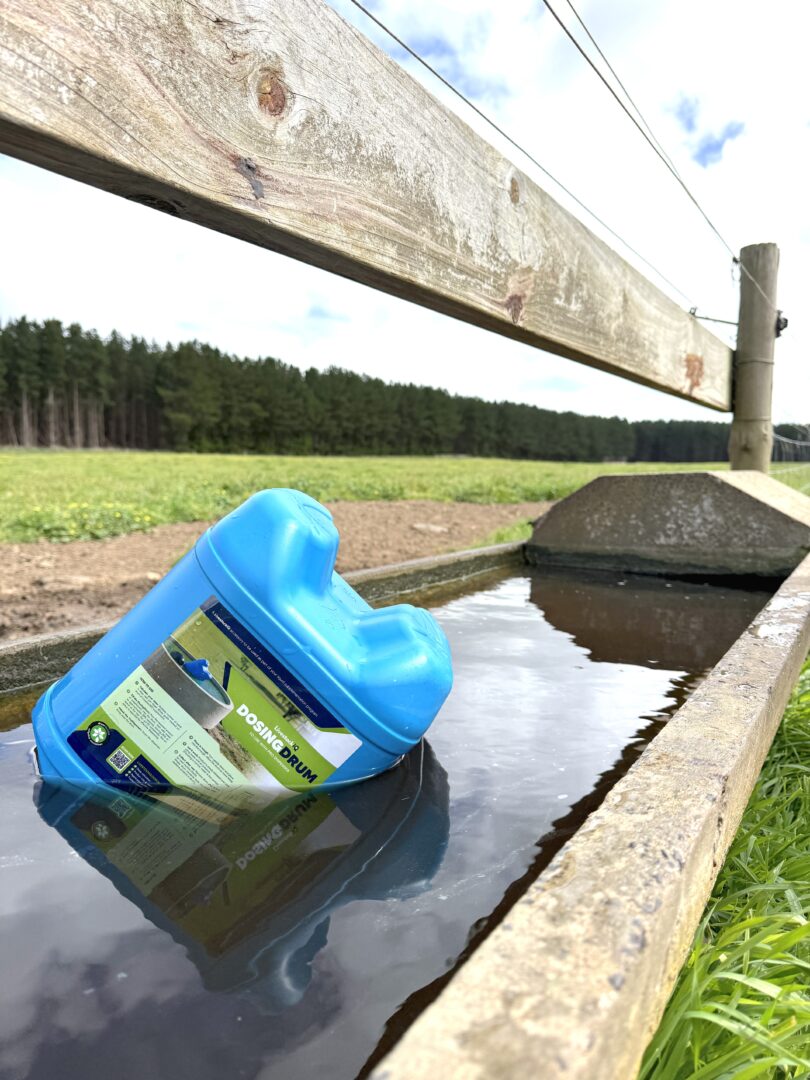
One dose at the trough. Around six weeks of nutrition.
The next chapter
Beachport Liquid Minerals is now LivestockIQ
A new name for the next chapter of our family business. Same team, same science and the same one-dose trough application, with a bigger vision for the future of Australian livestock nutrition.