

Heat, water and water quality
A 10°C rise in temperature can almost double what cattle drink.
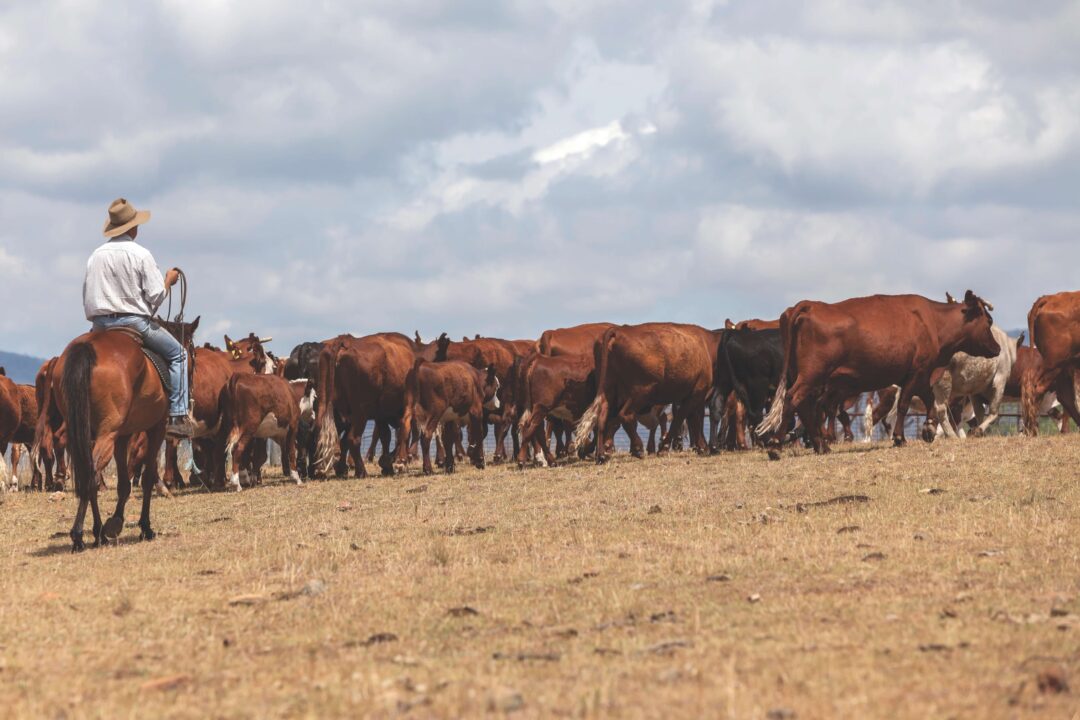
In northern country, water is the one thing every animal comes back to every day. In the heat, cattle drink far more, and if the water is salty, hot or hard to reach, intake drops and feed intake and condition drop with it.
What’s going on
Beef cattle drink around 45 litres a day on average, and up to about 60 litres at peak. A dry cow drinks about 40 litres at 25°C and about 70 litres at 32°C, and a 10°C rise can almost double intake. Lactating cows drink around 30% more than dry cows.[1]
Bos indicus cattle cope with heat better than British breeds and need less water in hot conditions, but heat still costs them. Cattle ruminate less on hot days, so they digest less.[1]
Water quality matters as much as quantity. Above about 2,000 mg/L of total dissolved salts, cattle get thirstier and drink more. At 4,000 to 5,000 mg/L they may be reluctant to drink at first, and at 5,000 to 10,000 mg/L there can be production and health losses.[1]
What to watch for
- Bore or dam water with high salt levels, especially late in the dry as dams drop
- Troughs that are hot, fouled, low or slow to refill
- Cattle crowding water points or walking long distances to drink
- Heavier, British-cross or black cattle struggling in heat
- Cattle off feed during heatwaves
Nutrition at this stage
- Water: the base of every other nutrient. Less water means less feed intake.
- Electrolytes: support hydration and nerve and muscle function.
- Energy: intake drops in the heat, so the diet has to work harder.
- Trace elements and amino acids: support immune function and recovery when heat stress builds.
Where LivestockIQ fits
Because LivestockIQ is delivered through the water trough, every animal gets its share every time it drinks.
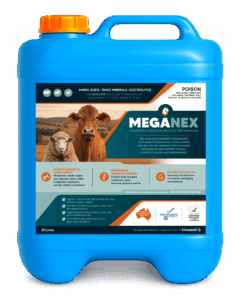
Every 6 weeks, year-round. Natural electrolytes from fulvic acid help support hydration alongside the trace elements and amino acids.
- Trough tips: start with fresh, cool water in a clean trough. In hot weather, add water to the DosingDrum so it stays stable in the trough.
Test your stock water if you’re unsure of its quality. Very salty water can reduce intake of anything delivered through it.
FAQ
Does hot weather change the dose?
No. The dose is set by head and weight. Hot weather just means cattle drink the dose faster, which is normal.
Ready to set up your herd's program?
Find your nearest stockist, or call head office on (08) 8725 4668 if you’re unsure about your water.
Questions? Call (08) 8725 4668 or email [email protected]
Running cattle in the south instead? See Southern systems