

Fertility and getting cows back in calf
Getting cows back in calf starts at calving, not at mating.
The 6-week in-calf rate is the measure most Australian dairy farmers use. The national median was 51% in 2019, while top herds reached 59% and the best herd 81%.[1]
What’s going on
A cow that conceives within 100 days of calving calves again within about 12.5 months, keeping the herd’s calving pattern tight and its lactations profitable.[2] Better fertility also means fewer cows are culled for not getting in calf, so the herd can choose to cull its genuinely low producers instead.[3]
Fertility in Australian herds fell from the late 1990s to 2008 before levelling off. Selecting for milk yield without selecting for fertility probably contributed, and daughter fertility has been part of the Australian Profit Ranking since 2004.[1]
Nutrition and body condition have a major impact.[3] Cows that lose too much condition in early lactation are less fertile,[4] and the problems that start at calving, such as milk fever and retained placenta, flow through to mating. Trace element nutrition is one of the less common causes of poor fertility, and pinning it down usually needs a vet or nutritionist.[2]
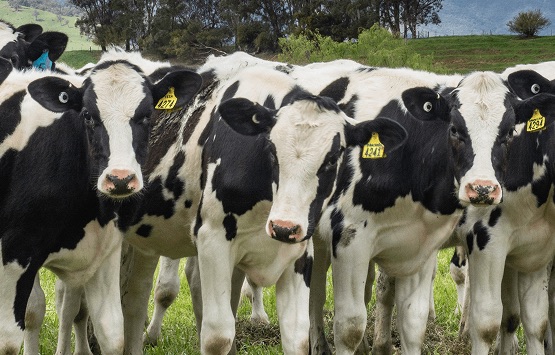
InCalf benchmarks
| Measure | Top farmers | Seek advice |
|---|---|---|
| 6-week in-calf rate | About 71% | Below 60%[2] |
| Not-in-calf rate, 12-week mating | About 13% | Above 21%[2] |
| 3-week submission rate (seasonal and split herds) | — | Below 85%[5] |
What to watch for
- Cows not cycling by the start of mating
- A herd average below condition score 4.5 two weeks before mating[6]
- A run of retained placentas or sick fresh cows after calving
- Cows still losing condition after mating starts; they should be holding or gaining[4]
- Hot, humid weather at mating, which can sharply reduce conception[7]
Nutrition at this stage
- Energy and condition: the biggest nutritional influence on getting cows cycling and in calf.
- Selenium: low selenium is linked to retained placenta and weaker immunity.[8]
- Copper, zinc, manganese and iodine: all play roles in fertility, and deficiencies can show up as poor conception or cows slow to cycle.[8]
- Phosphorus: linked to infertility mainly when forage is very low in it.[8]
Where LivestockIQ fits
A year-round program every 4 to 6 weeks means cows go into calving and mating with steady trace element and amino acid reserves. Chelated zinc, copper, selenium and cobalt help support reproductive health and recovery after calving. Starting 12 weeks before mating gives cows two doses before the bull or AI program starts.
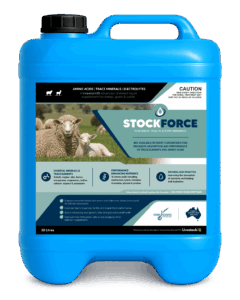
Selenium-free, for herds already on a selenium program, so there’s no doubling up.
FAQ
Will a supplement fix a fertility problem?
Fertility has many causes, including condition, calving problems, heat detection, bull management and genetics. LivestockIQ helps support the nutrition side as part of the whole program. If your in-calf rate is below target, start with your vet or an InCalf adviser.
My herd calves year-round. When should I dose?
Year-round, every 4 to 6 weeks. With cows at every stage, a steady program means each cow is covered whenever she calves and joins.
Sources
[1] Dairy Australia, National Herd Reproductive Performance Report 1997–2019.
[2] Dairy Australia, InCalf Book for Dairy Farmers.
[3] Dairy Australia, Reproductive Management.
[4] Dairy Australia, Assessing a Herd’s Body Condition and Using Results.
[5] Dairy Australia, Heat Detection and Synchronisation.
[6] Dairy Australia, Early Lactation.
[7] Dairy Australia, Cool Cows: Strategies for Managing Heat Stress.
[8] Merck Veterinary Manual, Nutritional Requirements of Dairy Cattle.
Ready to set up your herd's program?
Plan your pre-mating program with the DoseIQ Calculator, or find your nearest stockist.
Questions? Call (08) 8725 4668 or email [email protected]