

Heat stress and summer
Hot days cost milk, condition and conception.
Dairy cows start to feel the heat at around 26°C. Once heat stress sets in, milk production can fall by 10 to 25%, and by up to 40% in extreme conditions.[1]
What’s going on
A high-producing cow generates a lot of heat just digesting feed and making milk. On hot days she eats 10 to 20% less, and keeping cool can take 20 to 30% more of her maintenance energy.[1] Hot nights make it worse, because cows need a few hours below 25°C overnight to shed the heat built up during the day.[2]
Heat stress was once mainly a problem in Queensland, New South Wales and northern Victoria, but farmers in every dairying region now need to manage it.[1] Holsteins are less heat tolerant than Jerseys, and lactating, high-producing cows are most at risk.[2]
The effects carry on well after the hot spell. Heat stress lowers 6-week and 100-day in-calf rates, and mating in hot, humid weather can sharply reduce conception, especially in high producers.[1]
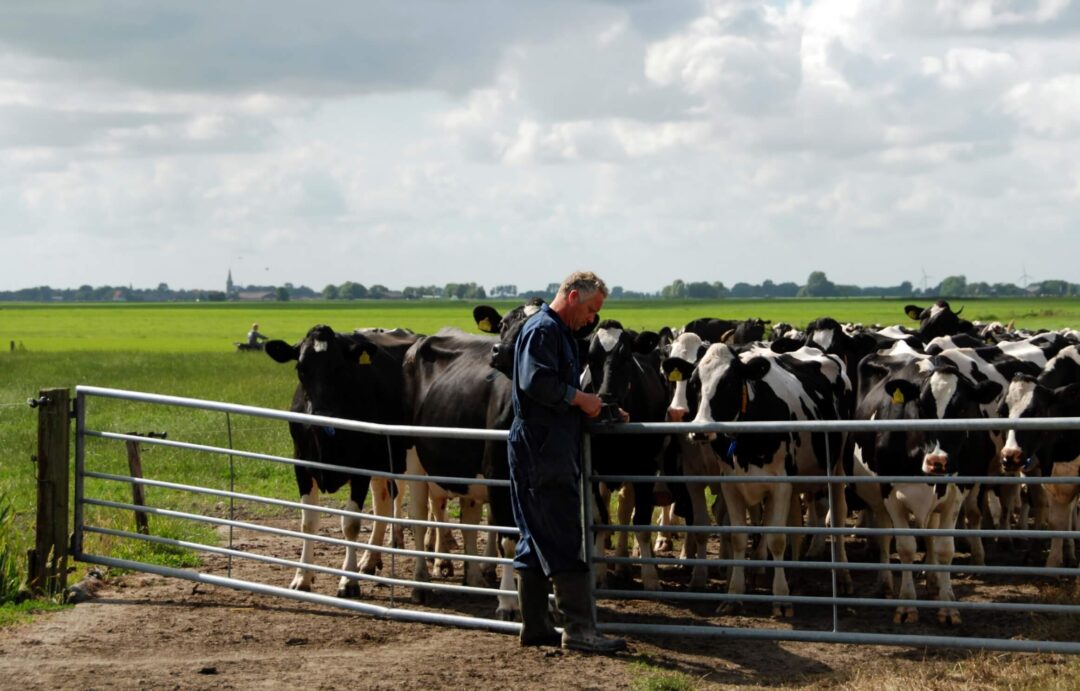
Heat stress levels (temperature-humidity index, THI)
| THI | What it means |
|---|---|
| Above 72 | Cows likely to be heat stressed, and in-calf rates affected |
| Above 78 | Milk production seriously affected |
| Above 82 | Severe stress and very significant milk loss |
Source: Cool Cows[1]
What to watch for
- Cows breathing faster than 60 breaths a minute[2]
- Cows bunching around troughs or shade, or standing rather than lying
- Drops in milk volume and in protein and fat tests
- Cows off their feed through the hottest part of the day
Water and electrolytes
Water is the first priority. Allow up to 200 to 250 litres per cow a day in hot weather, around double normal intake.[1][3] Cows can drink up to 40 litres in two minutes after milking, and an estimated 30 to 40% of daily drinking happens as cows leave the dairy.[1][3]
Cows lose a lot of potassium through sweating, and excrete more sodium as they drink more. Magnesium needs also rise in the hot season.[1]
Nutrition at this stage
- Water: enough trough space and flow for the whole herd to drink at once after milking.
- Electrolytes: potassium, sodium and magnesium, lost in sweat and urine, are needed in higher amounts.[1]
- Energy and protein: cows eat less, so every mouthful has to work harder.
- Trace elements: zinc and selenium support immune function, which heat stress pushes down.
Where LivestockIQ fits
Natural electrolytes from fulvic acid help support hydration and fluid balance, alongside the trace elements and amino acids, every 4 to 6 weeks year-round. Through hot spells, when cows are under the most pressure, the interval can be brought back to 4 weeks. Because cows drink more in summer, the trough is a reliable way to reach the whole herd.
FAQ
Will dosing the water put cows off drinking in hot weather?
The ProDispenser meters the dose into the water over three days, so the trough isn’t too concentrated. Never pour the whole dose straight into the trough.
Do I still need shade and sprinklers?
Yes. Shade, cooling at the dairy and good water access do the heavy lifting. Shade alone can cut the sun’s heat load by up to 50%.[2] LivestockIQ supports the cow from the inside while you manage the conditions around her.
Ready to set up your herd's program?
Plan your summer program with the DoseIQ Calculator, or find your nearest stockist.
Questions? Call (08) 8725 4668 or email [email protected]