

Pregnancy, calving and lactation
A breeder that calves in condition score 3 has the best chance of getting back in calf.
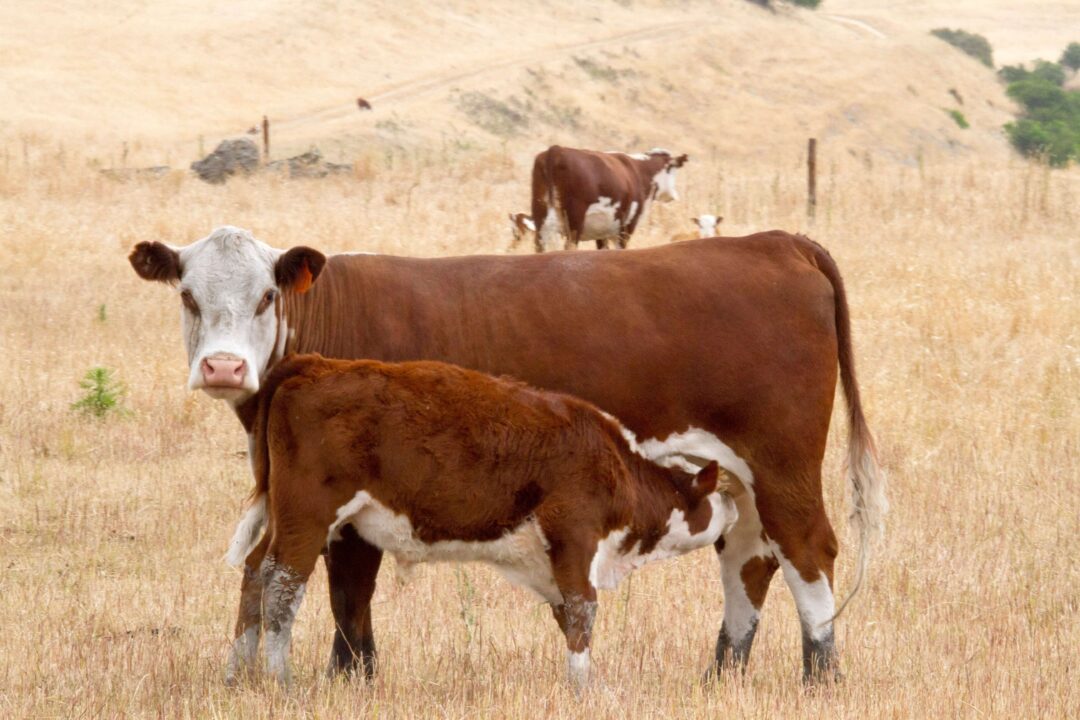
Northern breeders have about 85 days after calving to get back in calf. The ones that make it calve in condition score 3 or better, and milk on wet season feed rather than in the dry.[1]
What’s going on
In a controlled mating herd, calving usually runs from late in the year, ahead of the wet. Cows that calve in good condition and lactate on fresh feed rebreed well.
The pressure comes when cows are late pregnant or lactating through the dry. A lactating cow on dry season feed can be short of around 480 g of protein a day, and she makes up the gap by losing condition.[2]
First-lactation cows need the most of all, because they’re still growing.
What to watch for
- Breeders dropping below condition score 3 before calving
- Cows lactating through the dry, losing condition fast
- First-calf cows falling behind the mature cows
- Bone chewing or stiff, sore cows on phosphorus-deficient country
- Cows in late pregnancy that would need to be trucked. Late-pregnant cows should not be trucked.
Nutrition at this stage
- Energy: a 400 to 450 kg Bos indicus cross cow in late pregnancy needs about 50 to 55 MJ a day to hold weight. Lactating, it’s about 99 to 105 MJ, and more for a first-lactation cow.[3]
- Protein: the main gap in the dry for pregnant and lactating cows.
- Phosphorus: demand is highest in late pregnancy and lactation.
- Copper, zinc and selenium: support the calf’s growth and immunity, and the cow’s fertility.
- Water: lactating cows drink around 30% more than dry cows.[4]
Calving onto the wet isn’t a guarantee. The first green pick is mostly water, so cows can fill up without getting enough to eat, and on deficient country it’s still short of phosphorus.
Where LivestockIQ fits
Year-round is best. A cow on a 6-weekly program all year reaches calving with steadier reserves. If year-round isn’t possible, cover the 12 weeks before calving and the first months of lactation.
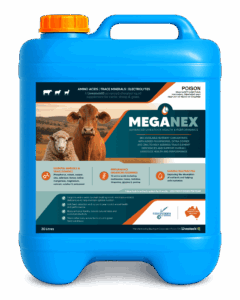
50 mL a head every 6 weeks. It helps support the cow and calf through late pregnancy and lactation, and helps the cow hold condition. Dose cows at 50 mL and calves by average calf weight through the same trough.
Early in the dry or through a short dry, MEGANEX can be used on its own. Late in the dry or in an extended dry, it works alongside your protein and phosphorus supplements.
FAQ
Do we still need a dry season lick?
Early in the dry or through a short dry, MEGANEX can carry breeders on its own. Late in the dry or in an extended dry, most herds also need a lick. Licks supply protein and phosphorus in bulk, and LivestockIQ supplies preformed amino acids and chelated trace elements alongside them.
Ready to set up your herd's program?
Your local reseller can help you choose the right product and timing.
Questions? Call (08) 8725 4668 or email [email protected]
Running cattle in the south instead? See Southern systems