

Weaning
A good start after weaning pays off for the rest of the animal’s life.
Weaning takes the pressure of lactation off the cow so she can hold condition before her next calf, and starts the weaner on its own feet. Weaners that settle quickly and keep growing go on to perform better through backgrounding, the feedlot or the breeding herd.
What’s going on
For the calf, weaning means losing milk, mixing, a new paddock or yard, and learning to eat and drink without its mother. Stressed weaners walk the fence, go off feed and water, and lose weight they take weeks to recover.
For the cow, weaning removes the demand of lactation and may reduce further loss of condition before she calves again.
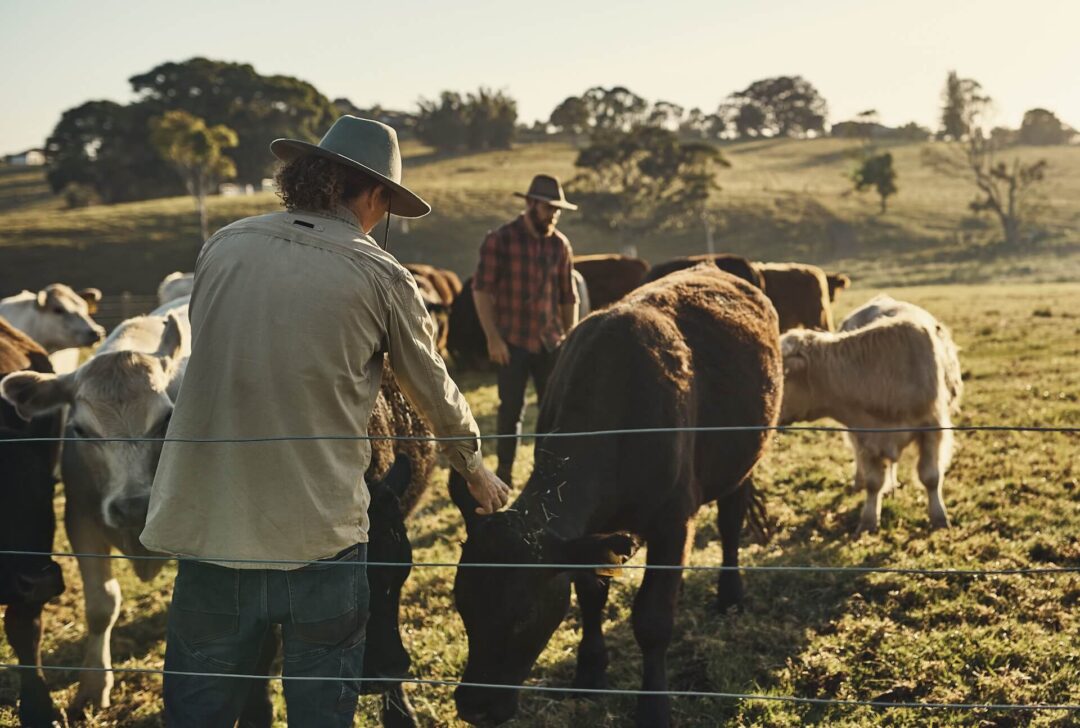
Many producers yard wean for 5 to 7 days. Quiet handling in that time teaches weaners to come to feed and water and makes them easier to handle for life.[1]
What to watch for
- Weaners walking the fence or bawling well beyond the first few days
- Weaners slow to find the water trough or feed
- Coughing, runny noses or scouring in the weeks after weaning
- Weight loss after weaning instead of steady gain
- Cows still losing condition after the calves come off
Nutrition at this stage
- Protein: early weaners need a ration of at least 16% crude protein, preferably 18%. Needs ease as they get older and heavier.[2]
- Amino acids such as lysine and threonine: building blocks for muscle and gut health.
- Zinc, selenium and copper: support immune function when stress pushes it down.
- Water and electrolytes: stressed weaners often drink less in the first few days.
A green paddock isn’t always enough for a weaner. Lush pasture is high in water, so a young animal can fill up without enough energy and protein to keep growing.
Where LivestockIQ fits
Year-round is best for the cow and the calf. Calves from cows on a year-round program go into weaning with better reserves.
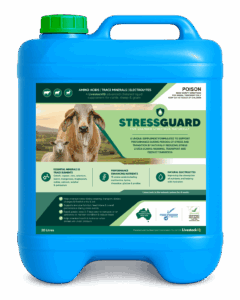
StressGuard is our stress and immune support product, and weaning is one of the events it’s built for.
- Yard weaning: place the ProDispenser in the trough as the weaners come into the yards, not earlier, so the water isn’t too concentrated.
- Paddock weaning: dose the cows and calves together about a week before separation.
- Rates: calves on a milk-based diet under 60 kg 2.5 mL, 61 to 99 kg 2 mL; weaners 100 to 200 kg 20 mL, 201 to 300 kg 30 mL.
- What it does: it helps support stress and immune function, a calmer separation and an earlier return to feed and water.
FAQ
Why not put the ProDispenser in the yard trough before the weaners arrive?
The water can become too concentrated before stock start drinking, which can put them off.
Should the cows get anything after weaning?
Yes. Keep the cows on their year-round program so they hold condition into the next calving.
Ready to set up your herd's program?
Your local reseller can help you choose the right product and timing.
Questions? Call (08) 8725 4668 or email [email protected]
Running cattle in the north instead? See Northern systems