Feedlot induction and exit
Protecting performance through transition. Moving livestock into or out of a feedlot or containment system is one of the highest-risk moments for performance loss.
Yarding, transport, new rations and social disruption can quickly lead to:
- Dehydration and electrolyte imbalance
- Reduced intake and dead gut
- Acidosis risk during ration change
- Weight shrink and uneven pens
- Higher health pressure during induction
- Lost kilograms at feedlot exit
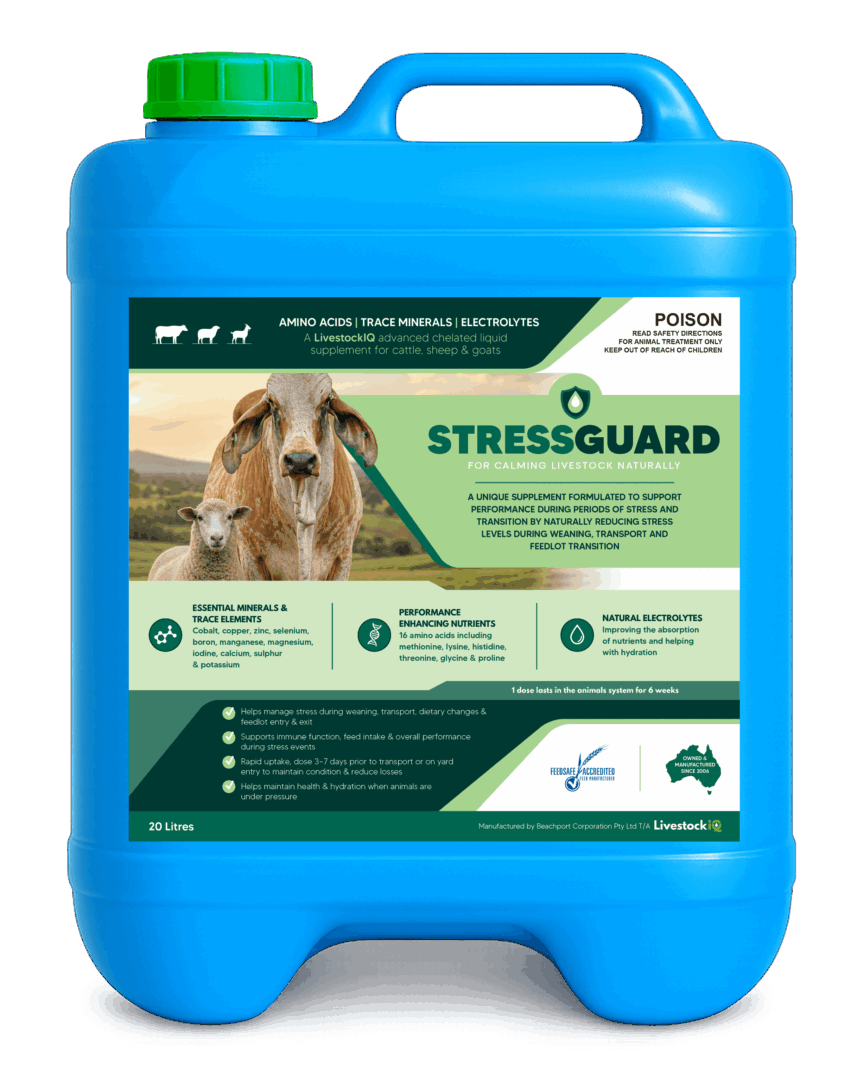
StressGuard is designed to support animals through these transitions by promoting hydration, appetite and metabolic stability while they adjust to new diets and environments.
1Containment feeding, getting animals settled
StressGuard supports this phase by helping livestock cope with stress while enhancing nutrient absorption and hydration, maximising the benefit of the feed provided.
Immediate priorities
- Clean water access
- Consistent intake
- Calm behaviour
- Efficient use of the new ration
Practical induction steps
- Ensure animals have clean drinking water on arrival
- If severely dehydrated, allow them to drink before dosing
- Deliver StressGuard via the water trough over three days using the ProDispenser
- Align application with normal trough-cleaning schedules
What producers commonly see
- Calmer behaviour in pens
- Faster adaptation to rations
- Stronger appetite in the first week
- More even pens with fewer shy feeders
2Feedlot induction, the first 72 hours matter most
The first three days in the feedlot set the trajectory for the entire program. Stress and dehydration at this point often show up later as reduced daily gain, inconsistent intake, higher treatment rates and poor feed efficiency.
StressGuard provides
- 15 amino acids to support the digestive system via the bloodstream
- Natural electrolytes for hydration
- Bioavailable trace elements including magnesium, selenium, copper and cobalt
- Support for nutrient absorption when intake is low
Induction protocol
- Dose pens immediately after arrival
- Dispense over a 72-hour period
- Move the dispenser with animals if they change pens
- Never pour product directly into the trough
3Feedlot exit, protecting kilograms already gained
Exit is just as critical as induction. Trucking finished animals without preparation commonly results in weight shrink, dark cutters and lost carcase value.
Exit timing
- Begin dosing 2 to 3 days before exit
- Do not dose on the day of trucking, results will be reduced
- Use the ProDispenser in the trough to deliver even intake
This approach helps animals leave the feedlot hydrated, calmer and better able to handle transport.
Outcomes producers aim for
- Faster return to feed and water
- Fewer shy feeders
- Reduced shrink at exit
- Better MSA and carcase outcomes
- Improved overall feed efficiency
Where StressGuard fits with your program
StressGuard is a short-term transition tool for:
Arrival into containment or feedlot
High-risk ration changes
Pen movements
Pre-exit preparation
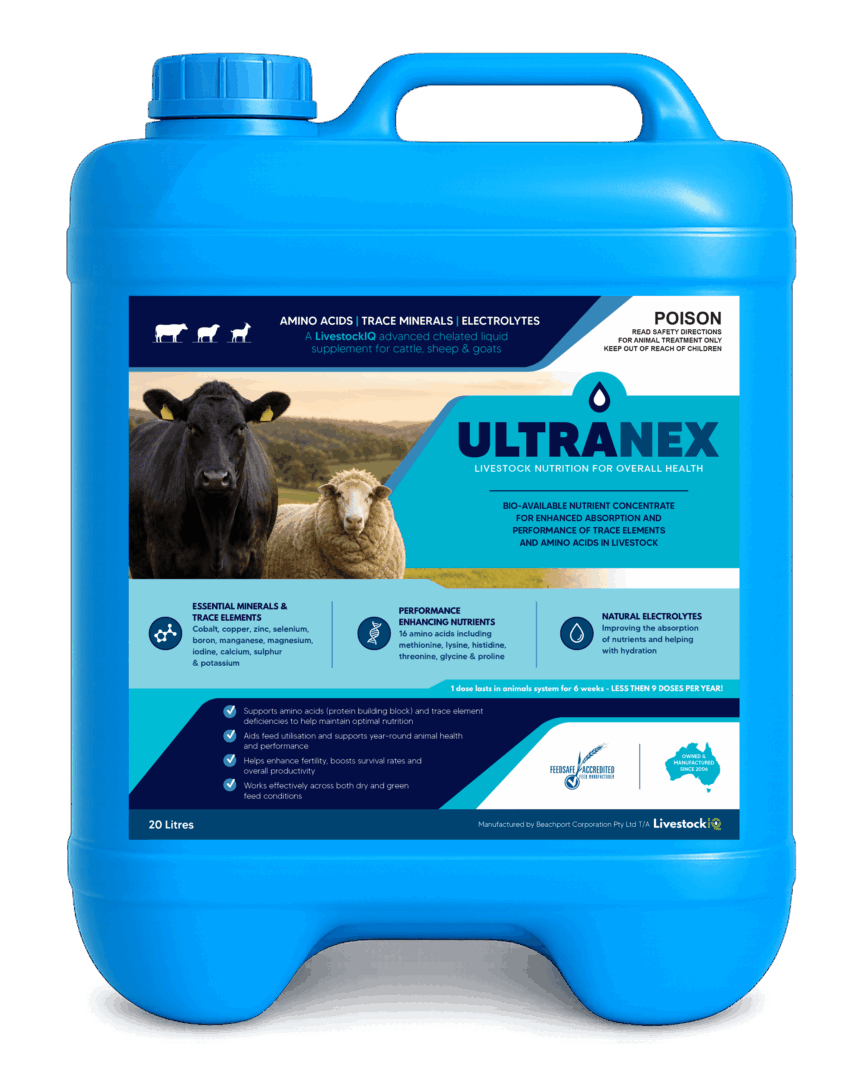
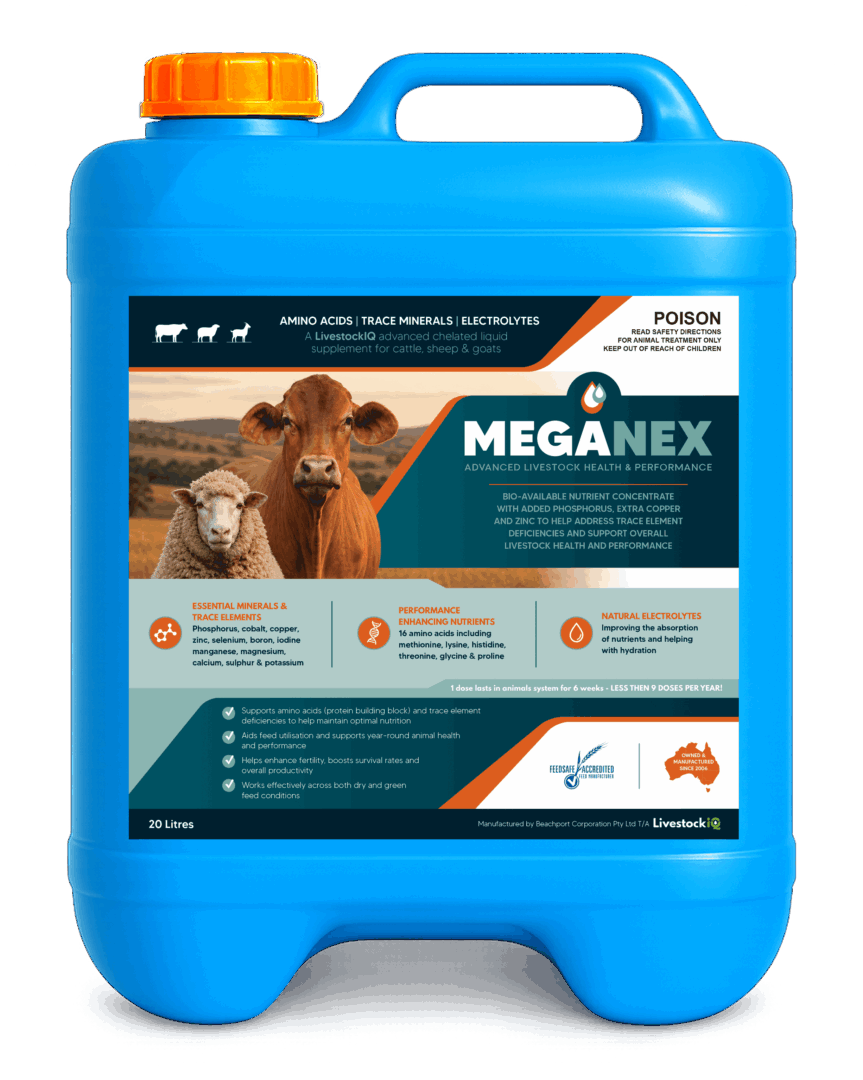
Use StressGuard as a stand-alone program during induction or exit, then return to ULTRANEX or MEGANEX for ongoing nutrition once the six-week StressGuard cycle is complete.
Relevant LivestockIQ solutions
Your LivestockIQ representative can help tailor a plan for short-term containment, backgrounding yards, commercial feedlots, and exit to sale or long haul.