

The wet season and phosphorus
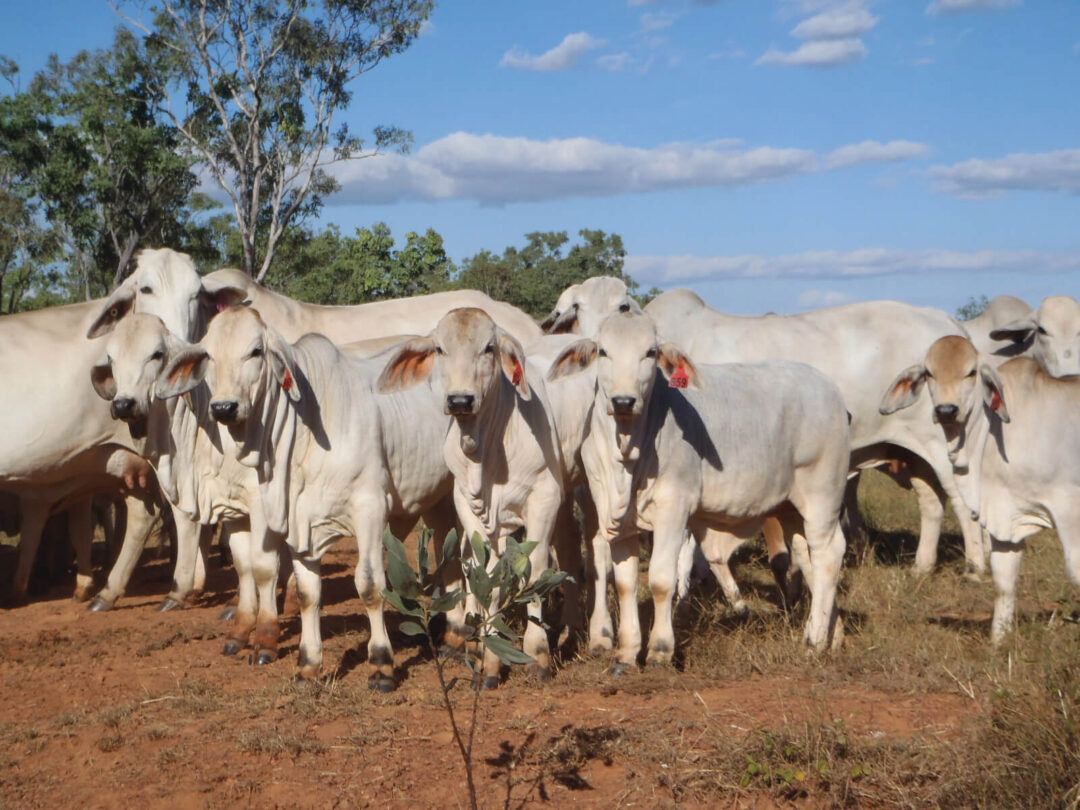
On phosphorus-deficient country, the wet is when cattle respond most.
Around 70% of northern Australia is phosphorus deficient to some degree. In the wet, cattle have the feed and protein to grow, so phosphorus becomes the thing holding them back. That’s when supplementing it pays best.[1]
What’s going on
Phosphorus is the first limiting nutrient on deficient country during the wet season. Cattle on deficient country eat less, grow slower, conceive less often and wean fewer, lighter calves.
Soil phosphorus (Colwell P, mg/kg) is the guide: 2 to 3 is acutely deficient, 4 to 5 deficient, 6 to 8 marginal and over 8 adequate.[1]
On deficient country, phosphorus supplements commonly lift feed intake by 10 to 60%, add 30 to 40 kg a year to young stock and lift weaning rates by 10 to 30%. Breeders need it in the dry too, through late pregnancy and lactation.[1]
What to watch for
- Bone chewing, or chewing sticks, rocks and wire
- Poor appetite and slow growth
- Stiff gait, peg leg or broken bones
- Low conception and weaning rates
- Botulism risk, because bone chewing exposes cattle to it. Vaccination is essential on deficient country.[2]
Nutrition at this stage
- Phosphorus: breeders on deficient country need around 7 to 8 g a day in the wet and 5 to 6 g in the dry, and more on grossly deficient country.[1]
- Energy and protein: usually good in the wet, which is why phosphorus becomes the limit.
- Copper, zinc and selenium: still depend on the soil, whatever the season.
- Amino acids: support growth and fertility while cattle are gaining.
Lush wet season feed can still be short. It’s high in protein but low in phosphorus on deficient country, and young growth is mostly water.
Where LivestockIQ fits
MEGANEX supplies phosphorus through the water trough, along with the trace elements and amino acids a phosphorus supplement doesn’t.
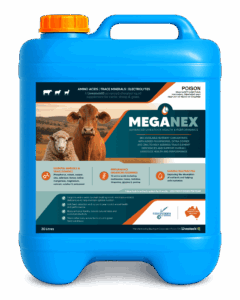
Contains phosphorus, plus higher copper and zinc, 16 amino acids and natural electrolytes. Dose every 6 weeks year-round. It helps support growth, fertility and condition while cattle make the most of the wet.
MEGANEX can be used on its own early in the dry or through a short dry. On deficient country, late in the dry or in an extended dry, use it alongside a dedicated phosphorus supplement when cattle need extra.
FAQ
If we feed a phosphorus lick, do we need anything else?
Phosphorus is the big gap, but not the only one. LivestockIQ adds preformed amino acids and chelated trace elements the lick doesn’t supply. Producers commonly notice that early in the dry, cattle on MEGANEX don’t go to licks or blocks. Lick use picks up later in the dry or in an extended dry, when cattle are walking further for less feed.
Ready to set up your herd's program?
Talk to your stockist or call head office on (08) 8725 4668 about a program for phosphorus-deficient country.
Questions? Call (08) 8725 4668 or email [email protected]
Running cattle in the south instead? See Southern systems