

Kidding and lactation
Newborn kids have less body fat than lambs or calves. The first days, and the doe’s milk, decide how many make it.
Kids are born with very little body fat, which makes them more vulnerable to cold and exposure than lambs or calves.[1] Their survival and early growth depend on shelter, a settled doe, and plenty of colostrum and milk, and that depends on how well the doe is fed.
What’s going on
A doe produces colostrum for the first 4 to 5 days, and it’s essential for the kid’s survival and growth. A meat doe typically gives 2 to 3 litres of milk a day, and high-producing dairy does can give up to 10 litres.[1]
In early lactation, does struggle to eat enough to meet the energy cost of milk, so they lose condition. A doe under heavy nutritional stress may walk away from her kid to protect her own survival.[1]
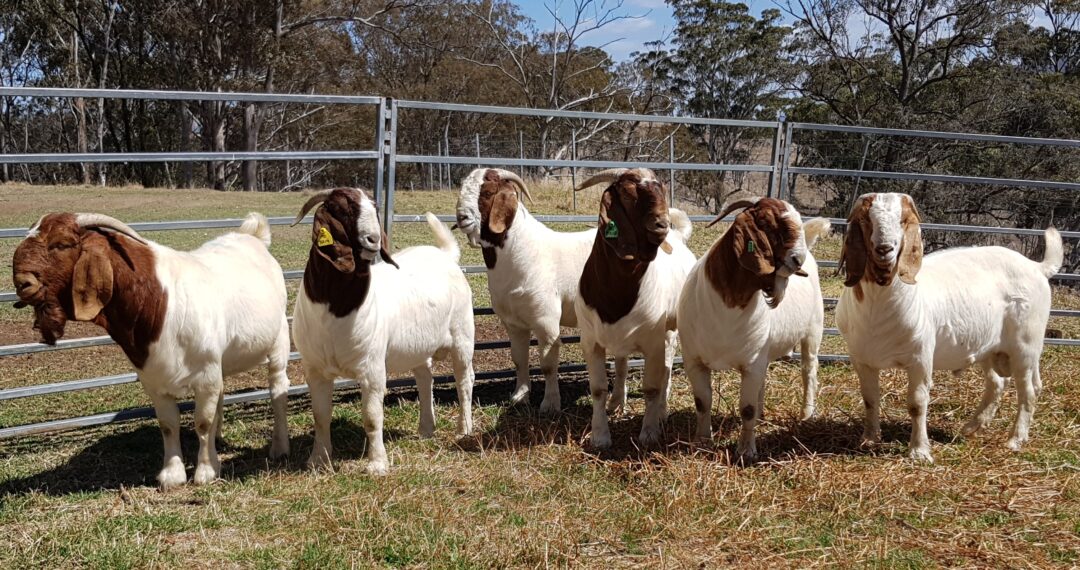
Goat kids are often ‘planted’ (left hidden while the doe grazes), which makes them easy targets for foxes, pigs, wild dogs and birds of prey. Disturbing does with newborn kids, such as by yarding, can cause mismothering.[1]
Dairy does carry the highest demand of all. Peak milk comes in the weeks after kidding, which puts heavy pressure on energy, protein, calcium and trace element supply, and it’s when metabolic problems are most likely to show.
Early lactation is also when grass tetany is most likely in goats. MLA links it to lactating does grazing lush pasture that’s low in legumes, and notes that transport stress can trigger it. It’s seasonal, most likely on lush, fertilised, grass-dominant winter pasture in the southern states, and rare in the rangelands and the north.[1][2]
What to watch for
- Does losing condition fast in the first weeks of lactation
- Weak or cold kids, and kids that haven’t had a good drink of colostrum
- Does walking off from kids, or kids left behind after disturbance
- Kidding paddocks without shelter from cold, wet and windy weather, or with high predator pressure
- Water supply: a doe with kids drinks 5 to 10 litres a day on dry feed, and that can double over 40°C[2]
Nutrition at this stage
Lactation is the doe’s most demanding stage. Kids depend almost entirely on milk until their rumen develops, so the doe’s diet feeds both.
- Energy and protein: drive milk yield and help the doe limit condition loss.
- Amino acids: the building blocks of milk protein and kid growth.
- Calcium and magnesium: in heavy demand for milk production, especially in dairy does.
- Selenium, zinc and copper: passed to the kids through colostrum and milk, supporting immune function and growth.
- Iodine and cobalt: support the doe’s metabolism and appetite while demand is high.[2]
Where LivestockIQ fits
Year-round is best. If you started 12 weeks before kidding, keep going every 6 weeks through lactation.
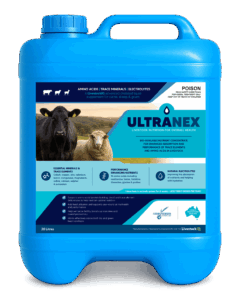
Helps support milk production, colostrum quality and kid growth, and helps the doe hold condition.
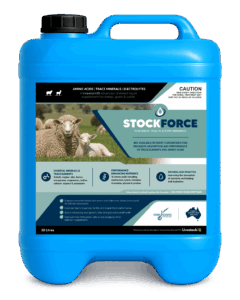
The selenium-free option for herds already on a selenium program.
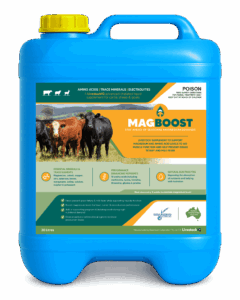
If does are kidding onto lush feed, continue MagBoost every 3 weeks (5 mL a head) while the risk lasts, in place of the year-round product. It supports the peak magnesium and calcium demand of early lactation and aids in the prevention of grass tetany and milk fever. Producers commonly notice better milk let-down and stronger newborns. MagBoost has a nil withholding period for both meat and milk, and if trough dosing doesn’t suit (such as dairy does in sheds), it can also be poured on hay or mixed with feed. MagBoost contains selenium, so it isn’t suitable for herds already on a selenium program.
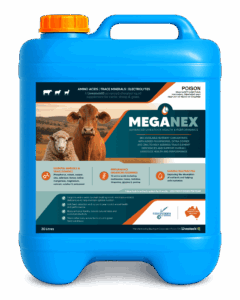
For high-producing dairy does and does rearing multiples. It adds phosphorus, which is in heavy demand for milk, along with higher copper and zinc. It has the highest copper in the range, so check what your goats already get from licks, drenches or boluses before using it.
Does are dosed at 10 mL a head. While kids are still suckling, count each doe and her kids as one unit at the doe’s 10 mL dose. Once weaned, kids are dosed by weight, the same as lambs: 2.5 mL under 30 kg and 5 mL over 30 kg. Dosing through the water means no yarding of does with young kids.
Dairy herds: does are usually already handled twice a day, but trough dosing keeps the program simple and consistent across the milking herd and dry does.
FAQ
My dairy does are milking hard. Is year-round dosing worth it?
Dairy does have the highest and longest demand of any goats, so a steady six-weekly program suits them well, with MEGANEX for the highest producers. All LivestockIQ products have a nil withholding period for both meat and milk, and no export slaughter interval (ESI). Ask your stockist or call head office to talk through your herd.
When do kids start drinking water?
Kids start picking at feed and drinking within their first few weeks, and their intake builds as the rumen develops.
When do I switch back from MagBoost?
Once the lush-feed risk eases, go back to your year-round product every 6 weeks. Never run two LivestockIQ products through the trough at once.
Ready to set up your herd's program?
Work out your doe and kid dose rates with the DoseIQ Calculator, or find your nearest stockist.
Questions? Call (08) 8725 4668 or email [email protected]